logo
ホーム

ブログ について Guide to Seven Key Types of Commercial Real Estate

認証
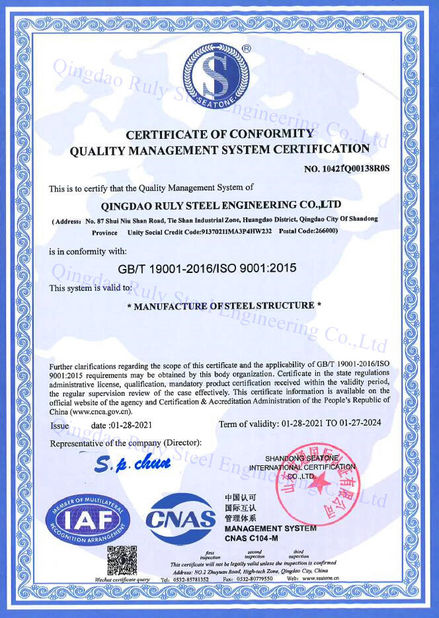
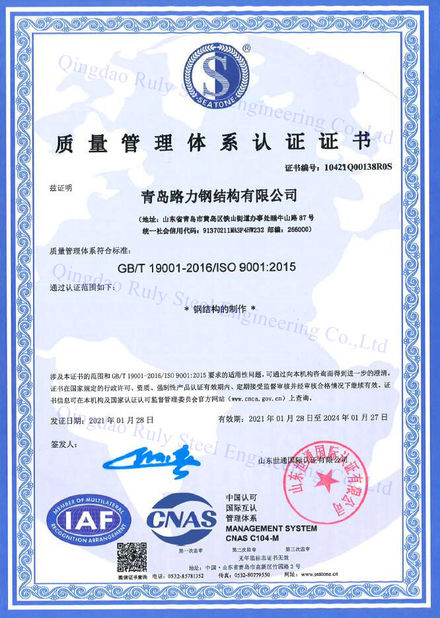
中国 Qingdao Ruly Steel Engineering Co.,Ltd 認証
顧客の検討
正直なところ、私は始めに鉄骨構造をあまりよく知られていませんが、それらは私に私が私のプロジェクト、よい仕事、Ruly鋼鉄を完了するのを助けるように完全な提案を与えます

—— マイクGuioguio

受渡し時間は速く、非常に重要です:プロダクト常に送られたマッチ順序。私は私がそれらに決して失望したあらないことはのでそれらを信頼します。

—— Mae Cena

この相互協同は約4年間持続し、それらが提供するサービスが期待されるの上にあることを是認しなければなりません。

—— テリーShepley

オンラインです
会社 ブログ
Guide to Seven Key Types of Commercial Real Estate
最新の会社ニュース Guide to Seven Key Types of Commercial Real Estate

When skyscrapers, industrial parks, and shopping centers rise from the ground, they represent more than just structures of steel and concrete—they symbolize the vibrant pulse of economic activity. These diverse commercial buildings serve multiple functions, from retail and office spaces to manufacturing and healthcare facilities, profoundly impacting how we live and work. But what are the main types of commercial buildings, and what unique attributes and requirements do they possess? This article explores seven major categories of commercial real estate.

1. Industrial Buildings: Efficiency-Driven Functional Spaces

Industrial buildings form a crucial segment of commercial real estate, prioritizing functionality and efficiency. These structures typically feature expansive spaces, open layouts, and high ceilings to accommodate various industrial activities such as manufacturing, warehousing, and research.

Key Subcategories:
  • Manufacturing Plants: These facilities transform raw materials into finished products through large-scale processes. Modern plants often incorporate automation and lean manufacturing principles to enhance productivity.
  • Warehousing Facilities: Designed for storage and distribution, warehouses serve industries like retail, e-commerce, and logistics. Advanced systems such as automated storage and retrieval (AS/RS) optimize inventory management.
  • Flex Industrial Buildings: Versatile spaces that combine industrial, commercial, and office functions, ideal for businesses needing adaptable layouts for evolving operational needs.
2. Retail Buildings: Experience-Centric Commercial Hubs

Retail buildings serve as direct consumer touchpoints, blending commerce with brand engagement. Their design prioritizes customer comfort, accessibility, and aesthetic appeal to enhance shopping experiences.

Key Features:
  • Varied formats, from standalone stores to sprawling shopping malls.
  • Restaurants and food service venues, requiring specialized layouts for kitchens, seating, and hygiene compliance.
3. Office Buildings: Balancing Productivity and Comfort

Office spaces cater to corporate operations while increasingly emphasizing employee well-being through natural lighting, ventilation, and ergonomic designs.

Classification:
  • Class A: Premium buildings with high-end amenities, targeting prestigious tenants.
  • Class B: Functional spaces with moderate amenities, appealing to mid-sized businesses.
  • Class C: Budget-friendly options for small businesses or service-oriented operations.
4. Healthcare Facilities: Safety-First Specialized Environments

Hospitals, clinics, and medical offices require stringent compliance with health regulations, focusing on patient safety, infection control, and operational efficiency. Designs incorporate specialized zones for examinations, surgeries, and recovery.

5. Mixed-Use Developments: Integrated Urban Solutions

Combining residential, retail, and office spaces, mixed-use properties epitomize modern urban planning. These complexes allocate at least 51% of space to commercial activities while fostering community-centric "live-work-play" environments.

6. Hospitality Venues: Comfort-Oriented Commercial Spaces

Hotels and resorts operate as revenue-driven businesses despite their residential-like amenities. Designs prioritize guest comfort through well-appointed rooms, dining options, and recreational facilities.

7. Special-Purpose Buildings: Customized Functional Structures

This category encompasses unique venues like airports, religious institutions, and entertainment centers, each requiring tailored designs to meet specific operational demands.

The commercial real estate landscape is vast and varied, with each building type serving distinct purposes. Understanding these differences enables businesses to select optimal spaces while helping investors make informed decisions.

パブの時間 : 2026-02-04 00:00:00 >> blog list
連絡先の詳細
Qingdao Ruly Steel Engineering Co.,Ltd

コンタクトパーソン: Mr. steven

電話番号: 0086-18661691560

私達に直接お問い合わせを送信 (0 / 3000)